We build scalable custom solutions
for organizations with complex processes
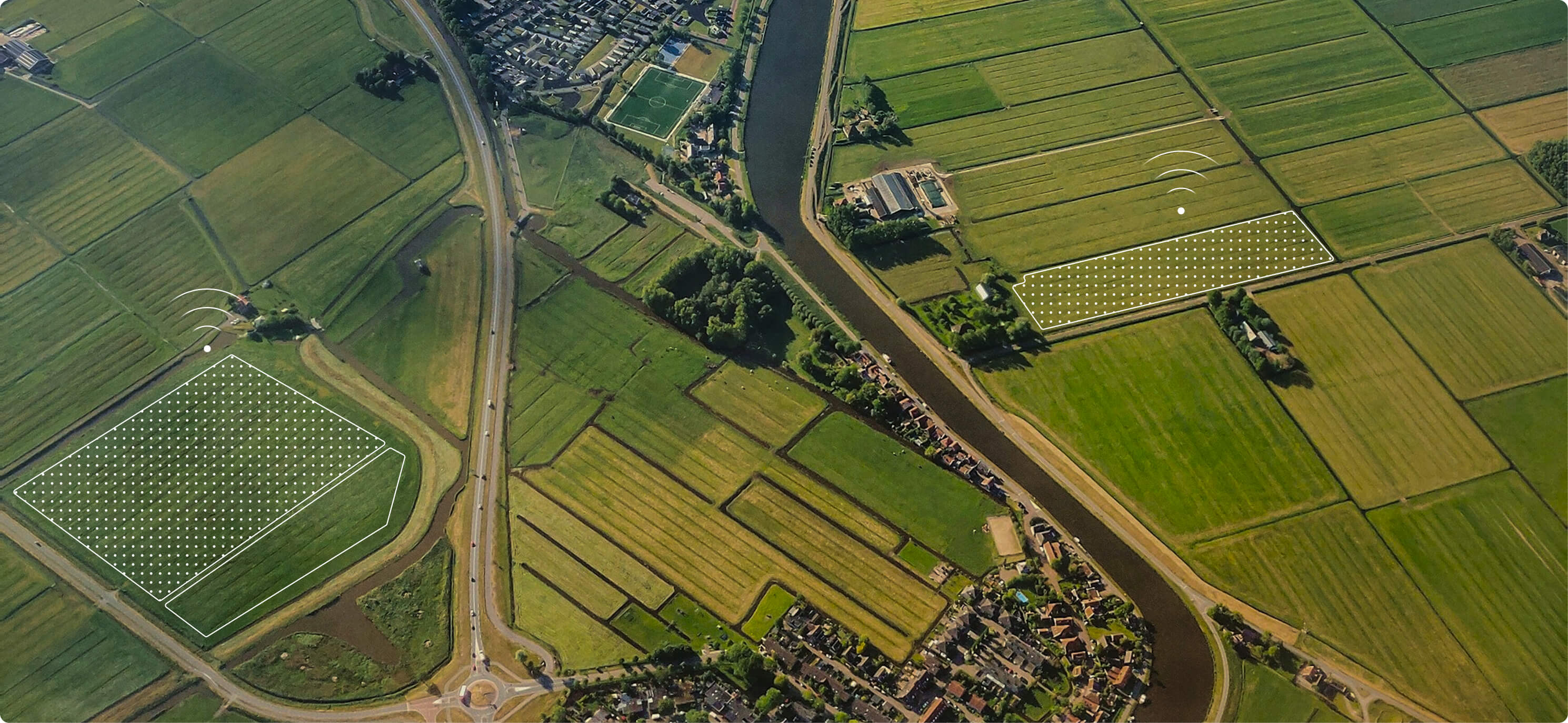













Many companies have software that almost works, or doesn’t fit how they operate at all
We analyze your processes down to the smallest detail and build software that aligns with real-world practice, not assumptions.
With a clear plan, strong wireframes, and structured sprints, we deliver visible progress every two weeks.
We continuously look for opportunities to automate, simplify, and make things scalable. This keeps your organization running more smoothly.
Is it difficult to quickly implement changes or new legislation in your systems?
our approach is iterative
For every challenge, all phases are addressed continuously until we’ve developed a fitting solution.
our approach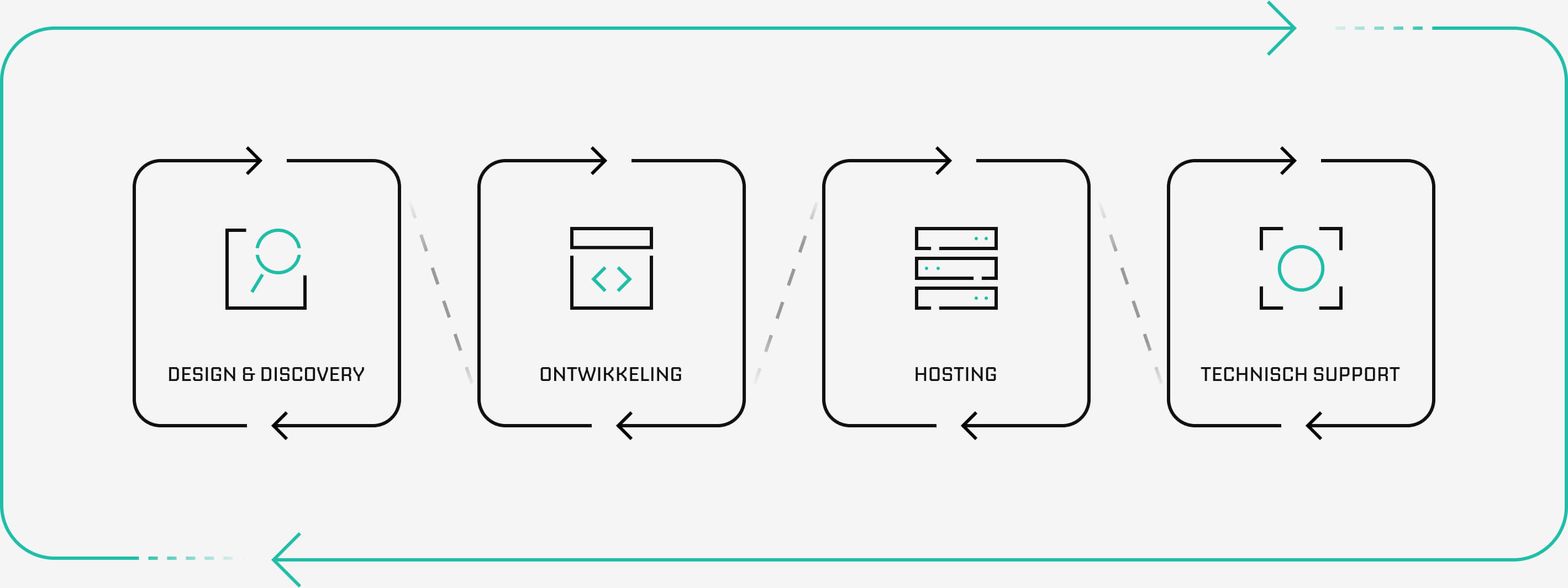
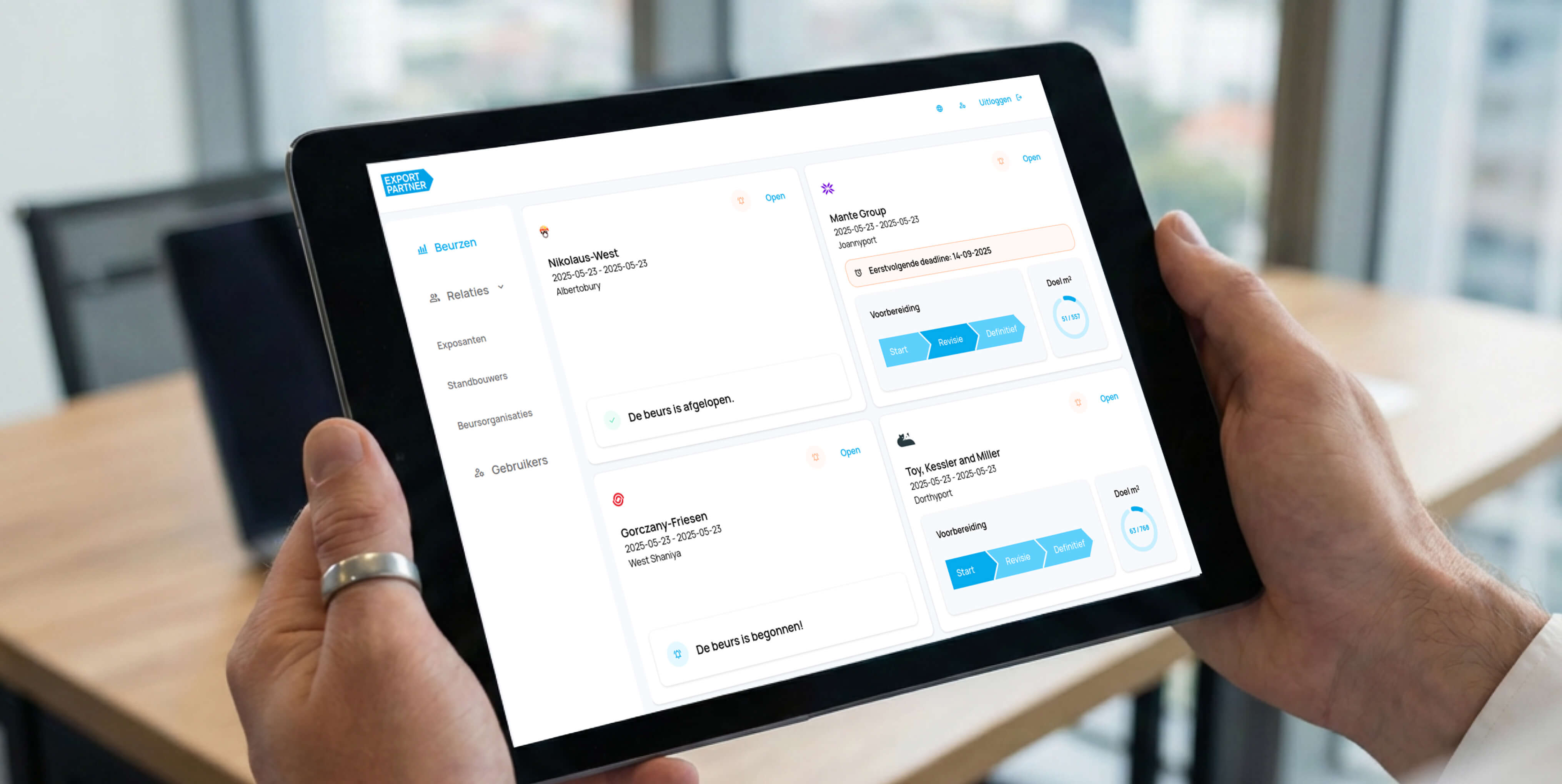
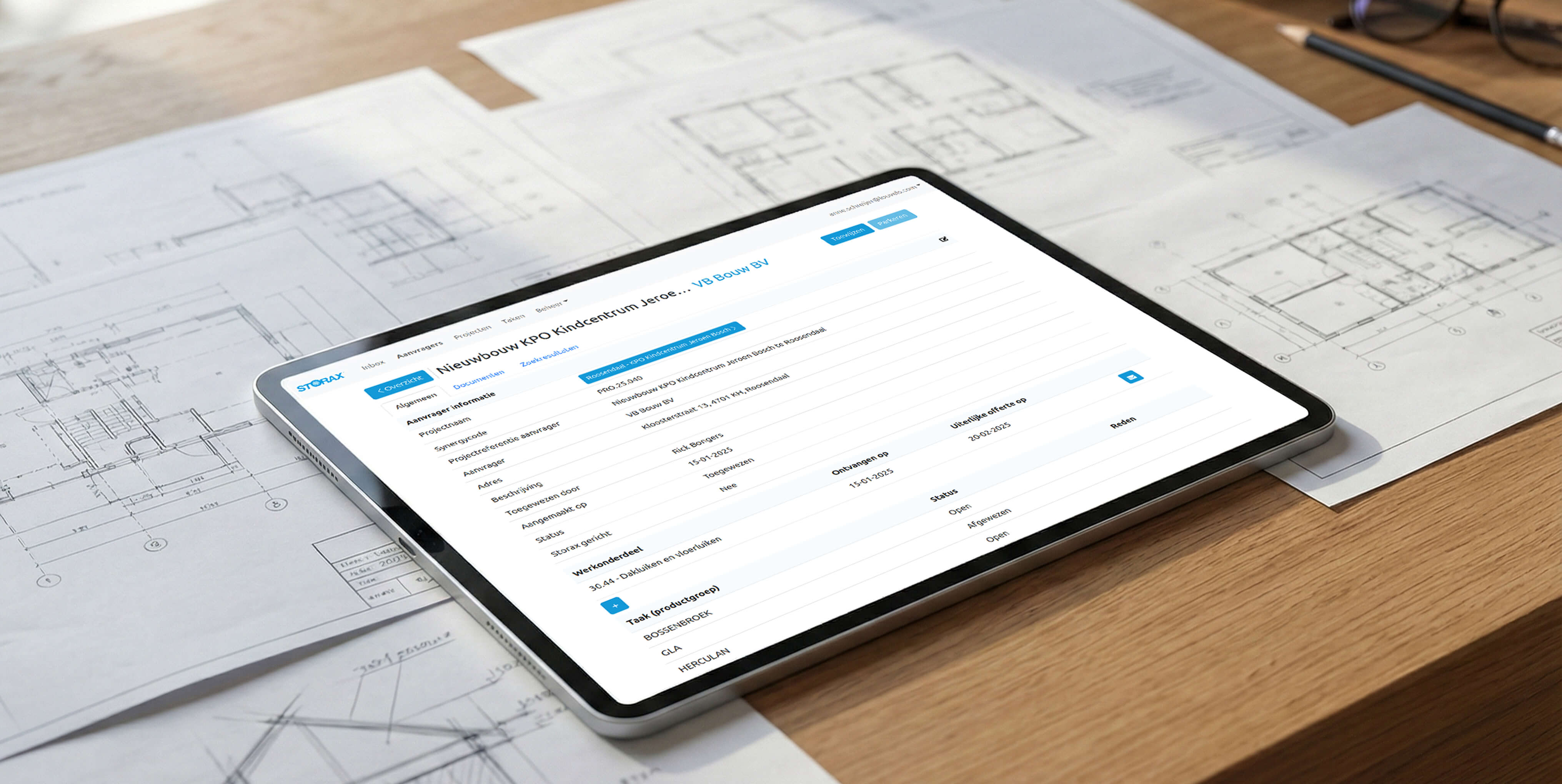

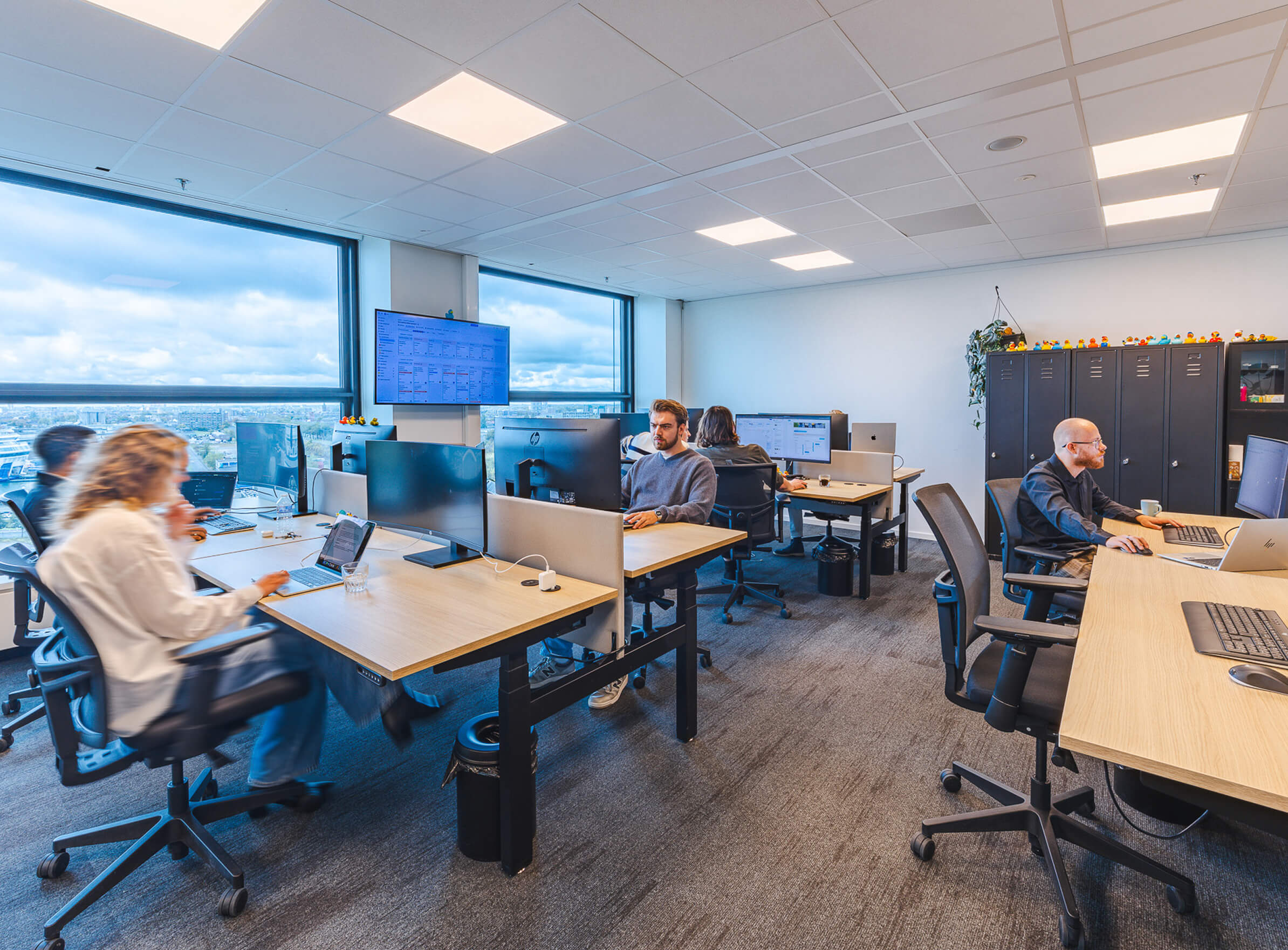
More than code: our people & culture
Developing software is one thing, but how you do it together makes the difference. Our team works grounded, engaged, and practical. This way we create not only smart solutions but also long-lasting partnerships with our clients.
More about Louvels
Frequently asked questions
What does software development mean?
Software development stands for everything that has to do with developing software (applications). From designing, testing and implementing to improving software solutions or components thereof.
What is the difference between an app and a web app?
An app is installed from an app store onto your phone or tablet and runs locally on the device. A web app opens through the browser, on any device with an internet connection, without installation. Web apps are often more practical for business use: you manage them in one place, and updates are immediately available to everyone. A native app works better when you need offline functionality or access to specific hardware, such as the camera or GPS.
What does back-end and front-end mean?
The front-end is the part of the software that the user sees and interacts with: the screens, buttons and forms. The back-end is what runs behind it: the logic, the database and the connections with other systems. Both are needed for software to work properly. The front-end provides a smooth user experience, while the back-end handles reliable processing and storage of data.